


A Smart, Stylish Guide to Decorating Your Space
Decorating feels more manageable when you start with a clear purpose instead of a long shopping list. Whether you want a living room that works better for family evenings or a bedroom that feels more settled, small decisions can add up to a space that suits your everyday life. For more guidance, see Smart approach to home decorating.
Our home decor eBook offers a starting point for making those decisions with confidence. Use the ideas below to focus your project, make the most of what you own, and bring a room together at a pace that works for you. For further reading, see New Style Rulebook By Decoratoradv.
Start With the Way You Live
Choose one room and name its main purpose before you shop. A living room may need to support conversation, television, reading, and a place to set down a drink. A dining room might also serve as a workspace. Knowing which activities matter most gives you a useful way to judge each decorating choice.
Next, take a look at what is already working. Perhaps your sofa is comfortable, but a side table blocks the path to the door. Maybe you like the wall color, but the room needs better light for reading. Write down the awkward spots and choose the changes that would have the biggest effect on daily use.
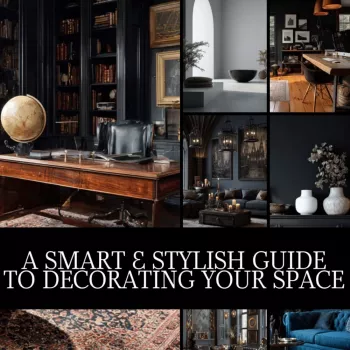
For more decorating inspiration, explore our Smart & Stylish Guide to Decorating Your Space eBook, available for $16.99 USD. It is a resource for approaching home decor one decision at a time.
Build a Simple Room Plan
Measure the length and width of the room, along with the doors, windows, and any features that affect furniture placement. Measure your main furniture pieces, too. A rough sketch on paper is enough to help you compare arrangements before moving anything heavy or buying something new.
Place the largest pieces first, then look at the routes people use to move through the room. Leave enough space to open doors and drawers and walk comfortably between furniture. If a layout looks attractive but makes everyday movement awkward, try another arrangement.
Once the layout is taking shape, choose a small color palette. Start with a color already present in a piece you plan to keep, such as a rug, sofa, or favorite artwork. Add one or two coordinating colors to guide later choices without making every item match exactly.
| Step | Question to ask | Practical action |
|---|---|---|
| Purpose | How is the room used? | List the activities the space needs to support. |
| Layout | Does furniture suit the room? | Measure pieces and sketch their placement. |
| Color | What look feels cohesive? | Choose a few colors that work with existing items. |
| Finishing touches | What would make the room feel complete? | Add textiles, lighting, or accents gradually. |
Use the checklist in order or return to it as your plans develop. You do not need to settle every detail at once; a workable layout can make the remaining choices much easier.
Make the Most of What You Have
Before replacing furniture, try moving it. A chair angled toward a sofa can create a more inviting conversation area, while shifting a table may free up a useful walkway. Live with the new arrangement for a few days and notice how it feels during your normal routine.
Accessories can travel between rooms, too. A lamp from a bedroom might be just right on a living room side table, and artwork that feels overlooked in a hallway could become a focal point elsewhere. Group related objects on a shelf or tray to give them a more intentional look, leaving some open space around them.
After the layout is settled, introduce texture with cushions, throws, or curtains. A few textiles in your chosen palette can soften a room without requiring a complete makeover. Set a spending limit first, and prioritize changes that make the room easier to use before buying purely decorative extras.
Bring the Room Together With Lighting
Lighting works best when it supports more than one activity. General lighting illuminates the room as a whole, task lighting helps with activities such as reading or cooking, and accent lighting draws attention to a feature or creates a softer mood. You can combine these layers gradually rather than changing every fixture at once.
If you are considering a statement light, compare its dimensions with the room and the area it will illuminate. Account for ceiling height, clearance, and installation requirements before choosing a fixture. Our Stone Series Chandelier is one optional choice if a chandelier suits your plan; it is not necessary to use the decorating guide or finish a room well.
Bulb choice matters as well. For an overview of efficient options, see the U.S. Department of Energy’s guide to lighting choices that save energy.
Choose a Starting Point for Your Decorating Project
A comfortable room is built through a series of manageable choices: identify its purpose, plan the layout, and add color and details as you need them. Taking one room and one decision at a time can help you avoid purchases that do not serve your space.
When you are ready for more inspiration, visit the eBook product page to explore our guide. Start with the decision that will make the most difference to how you live.
FAQ
Where should I start when decorating a room?
Start by identifying how you use the room. Measure the space and plan your furniture layout before choosing finishing touches.
Can I refresh a room without replacing all the furniture?
Yes. Rearrange the pieces you own, choose a coordinated color palette, and update a few textiles or accessories.
How much does the home decor eBook cost?
The listed price is $16.99 USD. Visit the product page for current details.















Leave a comment